• This year, there are no fewer than 11 Xmas quizzes to choose from:

    • The 2021 topical quiz (a mix of serious and trivia)
    • The traditional three: easy, difficult and fiendish
    • 7 subject-specific quizzes: DT, English, Geography, History, RE (twice), Maths.

    And here is why you should be assigning them to (more…)

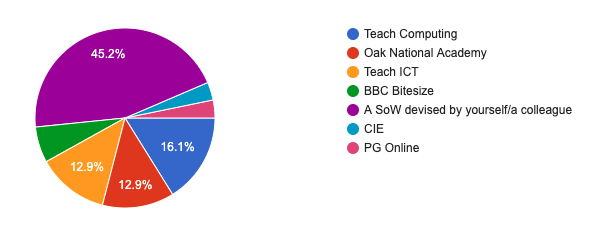
  • Last month I ran a survey in which I asked “Which Scheme of Work do you currently use for KS3?” This was the spread of responses:

    Teach Computing and Oak National Academy (which uses the same syllabus) together accounted for 29% of the total. In addition, I get from informal conversations that (more…)

  • This article follows Tutorial 10: How to use the Quiz Builder so if it doesn’t immediately make sense, go back and read that article first.

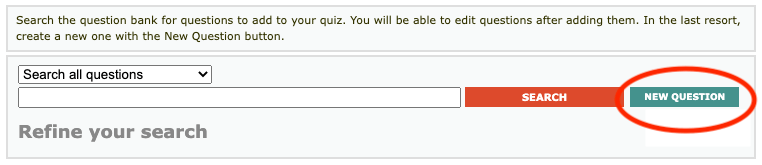
    Suppose that you have already started to create a quiz, but you could not find existing suitable questions from the database. You have decided to create one or more brand new questions of your own. Here is where you will start:

    And here is what pops up:

    (more…)
  • With well over 20,000 separate assessments on Yacapaca, many teachers want to collate a set to use for a particular course. This might be for personal use, or to share with your departmental team.

    The way to do this is to create a Course. In Yacapaca, a course is defined as a collection of quizzes, together with description and any associated files. Here are the four steps:

    1 Start

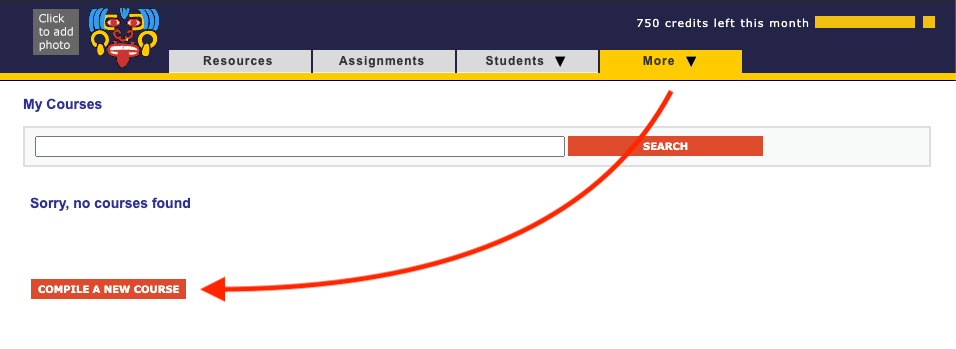
    Go to More tab -> My Courses

    Click on “Compile a new course”. If you don’t see this, you may need to apply for author privileges.

    (more…)
  • randomisationIf you author quizzes in Yacapaca, you will know that the system automatically randomises both the sequence of questions and the sequence of options within those questions. I get a steady trickle of requests to enable teachers to control the sequence both of questions and of options. In my opinion, this would be a massively retrograde step.

    That is not to say that linear presentation has no benefits. The two most-often cited are that (more…)